
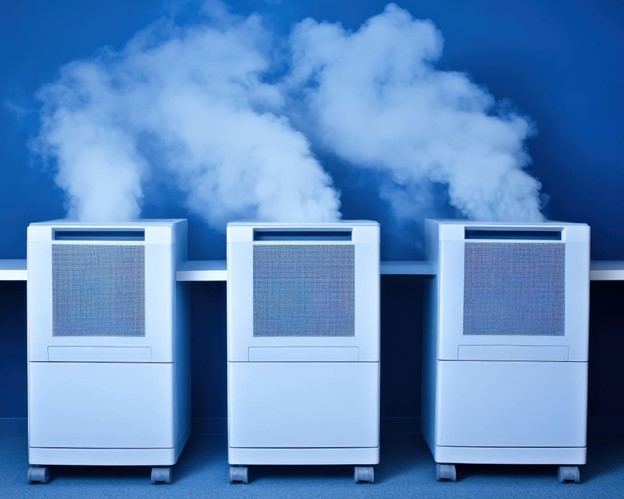
A commercial humidifier plays a critical role in maintaining proper air quality and comfort in large facilities. Whether you manage an office building, hospital, school, or manufacturing plant, keeping humidity levels in check helps protect equipment, prevent health issues, and improve overall efficiency. Regular maintenance is the best way to keep your system running smoothly and avoid unexpected breakdowns.
Common Problems with Commercial Humidifiers
Over time, commercial humidifiers experience problems that can lead to performance issues. Some problems can be addressed with simple maintenance, while others require professional attention.
1. Mineral Buildup
Hard water deposits and scale can clog components and reduce efficiency. If your humidifier isn’t producing enough moisture, scale buildup may be the problem.
How to fix it:
- Clean water reservoirs and components regularly to remove mineral deposits.
- Use water treatment solutions or filters to reduce scale formation.
2. Blocked or Dirty Filters
Air and water filters trap dust, minerals, and debris, preventing them from circulating through your system. When filters get clogged, airflow and water flow are restricted, reducing performance.
How to fix it:
- Inspect and replace filters as part of your routine commercial humidifier maintenance schedule.
- Check for visible dust or buildup that could be affecting airflow.
3. Sensor and Control Issues
A malfunctioning humidity sensor can cause your system to over-humidify or underperform. If you notice fluctuating humidity levels, your controls may need adjustment.
How to fix it:
- Calibrate sensors regularly to maintain accurate readings.
- Inspect wiring and control panels for damage or wear.
4. Water Leaks or Standing Water
Leaks can lead to wasted water, mold growth, and equipment damage. Pooling water around your unit is a sign that something isn’t working properly.
How to fix it:
- Check water supply lines and connections for cracks or loose fittings.
- Inspect drain lines for blockages that may be causing an overflow.
5. Strange Odors or Mold Growth
If the air from your humidifier has an unpleasant smell, bacteria or mold may be growing inside the system. This often happens when maintenance is neglected.
How to fix it:
- Clean and disinfect the water tank and distribution system regularly.
- Use antimicrobial treatments to reduce bacterial growth.
Routine Maintenance to Prevent Problems
Regular commercial humidifier maintenance helps keep your system running efficiently, extends its lifespan, and prevents costly repairs. A well-maintained unit provides consistent humidity control and reduces the risk of breakdowns.
1. Clean and Inspect Components
Dirt, dust, and mineral buildup can affect performance. Cleaning parts like the water tank, distribution nozzles, and sensors helps maintain efficiency.
How to fix it
- Wipe down water reservoirs and interior surfaces to remove buildup.
- Inspect and clean misting nozzles and steam distributors to prevent blockages.
- Check for mineral deposits and flush out any standing water.
2. Replace Filters and Water Treatment Cartridges
Filters prevent dust, minerals, and bacteria from circulating through your system. Replacing them regularly keeps air and water quality high.
How to fit it
- Check manufacturer recommendations for filter replacement schedules.
- Use high-quality filters designed for commercial humidifiers to improve performance.
3. Check Water Levels and Flow
Inconsistent water flow can cause dry spots or over-humidification. Keeping the water supply steady prevents these issues.
How to fix it
- Make sure valves and pumps are functioning properly.
- Inspect drain lines for any clogs or leaks.
4. Test Sensors and Controls
Humidity sensors and control panels regulate moisture levels in your facility. If they aren’t working correctly, you may see inconsistent humidity levels.
How to fit it
- Calibrate humidity sensors to ensure accurate readings.
- Check wiring and electrical components for signs of damage.
5. Schedule Professional Inspections
Even with regular maintenance, a professional inspection helps identify hidden issues. Technicians can spot early signs of wear and make adjustments before major repairs are needed.
When to Call a Professional
Some maintenance tasks require specialized tools and expertise. If you notice performance issues that basic cleaning and troubleshooting don’t fix, it’s time to bring in a professional.
Hire a professional if:
- The humidifier isn’t maintaining consistent humidity levels.
- There are leaks or water damage around the unit.
- The system shuts down unexpectedly or won’t turn on.
- Sensors or controls aren’t functioning properly.
- Strange noises or odors persist even after cleaning.
A certified technician can diagnose complex problems, replace faulty components, and provide solutions that extend the life of your commercial humidifier.
Why Commercial Humidifier Maintenance Matters
A well-maintained commercial humidifier helps improve air quality, protect equipment, and keep employees and customers comfortable. Neglecting maintenance leads to higher energy costs, poor humidity control, and expensive repairs.
Regular maintenance provides:
- Better indoor air quality by preventing mold and bacteria growth.
- Consistent humidity control to protect sensitive equipment and materials.
- Lower energy costs by keeping the system running efficiently.
- Fewer repairs and unexpected breakdowns.
Get Expert Commercial Humidifier Maintenance
Keeping up with commercial humidifier maintenance reduces the risk of failure and keeps your system operating at peak performance. If your humidifier needs servicing or a professional inspection, TRI-AIR SYSTEMS is here to help.
Contact TRI-AIR SYSTEMS today for expert maintenance and repair services.